Office Removals in London

Office removals in London need careful planning, clean coordination and a practical understanding of how to move business equipment without losing momentum. Our service is centred on the safe relocation of desks, storage, IT items, meeting furniture and boxed office contents, with a focus on orderly handling from the first lift to the final placement. The aim is straightforward: keep your move controlled, protect useful assets and make the changeover as manageable as possible.
We support commercial moves of different sizes, from compact offices to multi-room premises, and we work with the same attention to detail whether the task involves a single department or a full floor. Because office moves often involve several types of items at once, we plan around access, fragile equipment, building rules and the sequence in which departments need to be moved. If you are comparing options, start by reviewing our commercial moves service and then ask for the scope you need.
For many customers, the key decision is not simply who can lift the items, but who can move them in a way that suits the building, the timetable and the work that follows. We therefore treat each relocation as an organised project rather than a rushed loading job. You can request a quotation once you know the main items, the floors involved and any access limitations.
Planning an office move with clear priorities
Every office relocation has its own shape, so the work begins with identifying what must move first, what can travel later and which items require careful packing or specialist handling. Filing cabinets, workstation furniture, printers, monitors and boxed archive material do not all behave in the same way when they are moved, and each can affect loading order and vehicle space. A sensible plan keeps essential items together and reduces the chance of confusion when everything arrives at the new site.
Where a business needs support before the moving day itself, our packing and unpacking services can help keep records, accessories and desk contents grouped sensibly. That kind of preparation is especially useful when teams need their own equipment placed in the right area quickly. Clear labels, consistent boxes and a simple room list often save time later, especially if several departments are moving at once.
We also consider the practical details that affect timing: lift use, corridor width, loading access, parking restrictions and any building rules around out-of-hours work. These details are not a formality; they shape how the move is carried out. Good planning helps protect walls, doors and furniture, while also giving the team on site a clearer sequence for moving items without unnecessary stopping and starting.
Office furniture, desks and storage

Office furniture usually forms the largest part of the job, and it benefits from a methodical approach. Desks may need to be dismantled or moved in sections, storage units often need shelves secured, and boardroom tables can require extra attention because of their size and finish. We handle these items so that they can be transported without avoidable strain on fixings, surfaces or surrounding spaces.
When a business is relocating a full workplace, it is often useful to look at the whole furniture list rather than only the visible pieces in the main office area. Reception counters, breakout seating, pedestal drawers and meeting-room tables can all require different handling methods. If you are moving a substantial amount of office furniture, our office relocation services page gives a clearer picture of how broader moves can be arranged.
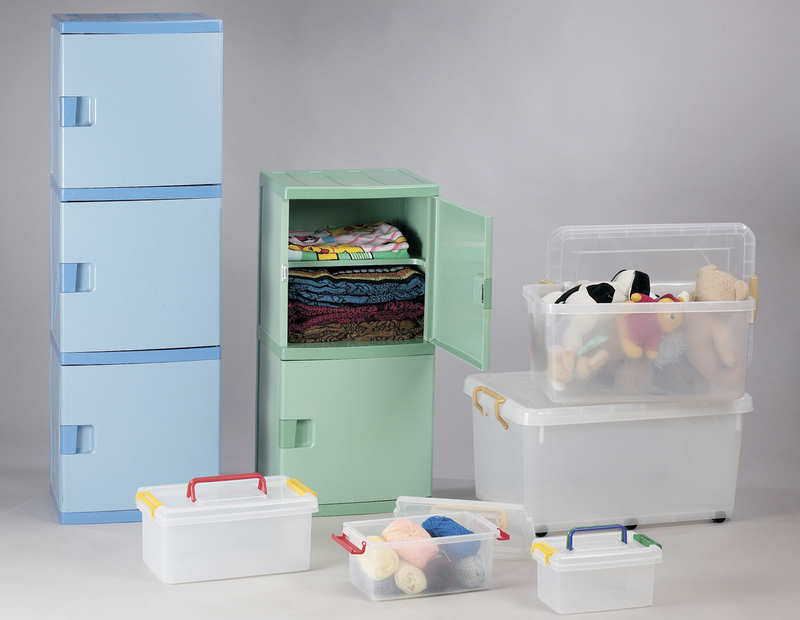
Storage is another important part of the process. Lockers, archive racking, plan chests and cupboard contents need sensible sorting before they are loaded, because mixed loose items can become difficult to trace after the move. We aim to keep grouped items together wherever possible, which makes it easier to place them in the right area at the destination and reduces the chance of wasted time unpacking the wrong boxes first.
Handling technology, files and operational items
Modern offices depend on equipment that needs more care than ordinary furniture. Monitors, desktop towers, docking stations, printers, phones and small network devices can be awkward to stack and are often best handled as individual groups. We move these items in a way that helps limit pressure, tangling and damage during transit, while keeping the business’s own labelling and sequencing intact.
File movement is often just as important as the physical furniture. Many companies still rely on paper records, archive boxes and reference folders that need to remain traceable during the move. Careful sorting and clear labelling help preserve order, especially when several people are unpacking at once. For businesses that want a broader view of available moving options, the removal services page is a useful starting point.
Not every item can be moved in exactly the same way. Sensitive paperwork, mixed electrical kit and office accessories may need separate grouping to keep them secure and easy to identify. In practice, that means thinking in terms of workstations, departments or functional zones rather than just counting boxes. The result is usually a calmer handover and a more practical setup at the other end.
Commercial moves and operational changeovers

Some moves are simple office changes, but others are tied to a wider commercial relocation, refurbishment or reorganisation. In those cases, the removal plan has to fit around the business’s own timetable and the needs of other contractors or building users. We support commercial moves with an approach that keeps the transfer of equipment in step with the wider changeover, rather than treating it as an isolated task.
Where a business is moving more than one type of premises or combining workplace areas, it can be useful to compare the details on our office removals page with the broader commercial moves service. That helps set expectations around equipment, planning and access, especially when the relocation affects stock rooms, admin areas or client-facing rooms as well as desks and storage.
In practical terms, commercial removals work best when the client decides what must be live immediately after the move and what can be unpacked later. That distinction often changes the way the load is organised. Essential items can be kept accessible, while less urgent furniture and archive items are grouped so that the destination workspace can be made functional first. Sequence matters when a business needs to resume normal working as smoothly as possible.
Choosing the right support for your move
Different offices need different levels of help, and the right choice depends on the amount of furniture, the floor access, and whether the move includes packing, dismantling or just transport. Smaller teams may only need a straightforward removals arrangement, while larger premises may need a more structured plan. A clear service choice avoids paying for unnecessary extras and keeps the process aligned with what actually needs to be done.
If you are comparing service styles, our removals page offers a broader overview, while the movers page is useful if you want to think in terms of labour and transport support rather than the building type. For some office customers, that wider comparison helps clarify whether they need a focused office move or a more general moving arrangement for mixed contents.
There are also practical differences between a move that involves regular office furniture and one that includes heavier specialist items. The more complex the contents, the more useful it is to separate what must be dismantled, wrapped, labelled or carried by more than one person. Good service selection is about matching the method to the contents, not about using the largest available option by default.
About London
London is the capital of the United Kingdom and one of the world’s most historically layered cities, shaped by Roman foundations, medieval growth, Georgian expansion and modern redevelopment. The River Thames runs through its centre, and the city’s identity has long been tied to that waterway, which supports landmarks, bridges, river walks and a sequence of boroughs that extend well beyond the traditional core. Westminster, the City of London and the South Bank each reflect different chapters in the capital’s development, from government and finance to civic life and culture. London’s street pattern is famously varied: some areas keep a compact, older layout with narrow lanes and courtyards, while others open into broad squares, terraces and planned estates from the eighteenth and nineteenth centuries. Major museums, galleries and theatres sit beside ordinary neighbourhood high streets, and green spaces such as Hyde Park, Regent’s Park and Hampstead Heath offer large pockets of open ground within the urban fabric. The city also includes an extensive transport network of Underground lines, rail terminals, bus routes and river services, which have shaped how the capital expanded and how people move around it. Architectural variety is one of London’s defining features, from St Paul’s Cathedral and the Palace of Westminster to contemporary towers and revived warehouse districts. Markets, places of worship, civic buildings and residential streets sit in close proximity, giving the city a layered character that reflects centuries of continuous change. Districts such as Covent Garden, Bloomsbury, Kensington, Shoreditch and Greenwich each have their own atmosphere, while still belonging to the broader metropolitan whole. Cultural life remains central to London’s reputation, with theatres, concert halls, festivals and public institutions drawing both residents and visitors throughout the year.
How office removals are organised on the day

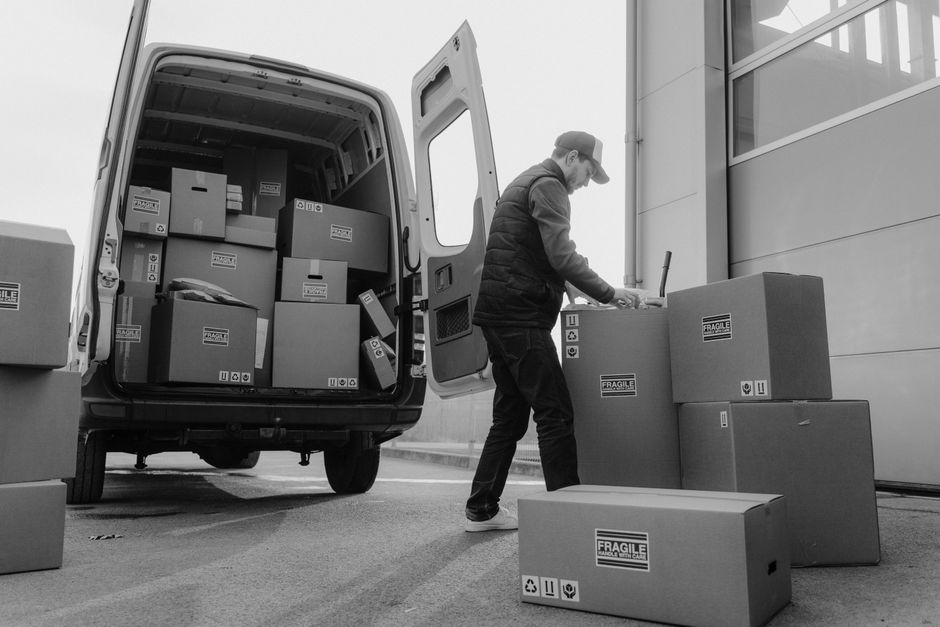
On the day itself, organisation is usually more valuable than speed for its own sake. Items need to leave in a sensible order, be carried without unnecessary congestion and arrive in a condition that allows them to be placed efficiently. We focus on keeping pathways clear, managing heavier pieces carefully and maintaining a practical sequence so that the workplace is not left in disarray longer than necessary.
Where there is a mix of furniture and boxed contents, it helps to keep similar items together. That might mean one group for desks and chairs, another for files and archive boxes, and another for screens or ancillary equipment. This simple structure supports faster unloading and makes it easier to place items by department or room. If you want to understand our approach to vehicle use and load handling, the removal van page gives a useful indication of the transport side of the work.
For businesses preparing a larger relocation, the most effective approach is usually to decide what the first room to be functional should contain. Reception, admin desks, meeting space and storage all have different priorities, so the move should reflect that order. A clear destination plan makes the physical process more manageable and helps staff settle back into work more quickly once the items are in place.
Questions to consider before you ask for pricing
Pricing for office removals depends on several practical factors rather than a single fixed rule. The size and quantity of the items matter, but so do stairs, lifts, parking, dismantling work and any time-specific access restrictions. Distance is relevant too, yet local complexity can be just as important as mileage. A concise briefing gives a more useful quotation than a vague description, because it allows the likely workload to be assessed properly.
It is sensible to set out what is included before moving day so that the quote reflects the real work. If the move requires packing help, multi-floor carrying, careful handling of fragile equipment or a specific schedule, those details should be included from the outset. Our pricing and quotes page is the best place to start if you want to think through the main cost factors before making contact.
When gathering information for a quotation, keep it practical and brief: number of workstations, main furniture pieces, approximate volume of boxes, access issues and any special items. You do not need an elaborate inventory to begin, but a clear summary helps avoid guesswork. That leads to a more useful response and a move plan that fits the work needed.
Preparing access, timing and final placement

Access is one of the most important parts of a smooth relocation. Door widths, loading bays, reception procedures and the availability of lifts can all affect the route taken through the building. When these points are considered early, there is less chance of delay or unnecessary handling. Businesses often find it helpful to think through where items will be unloaded as well as where they are leaving from, because the destination layout matters just as much as the departure point.
Final placement should also be planned with some care. Desks, screens, storage and shared equipment are easiest to set up when the receiving rooms have already been assigned a purpose. If departments are split across floors or corridors, a simple room list can prevent items being left in the wrong place. For more background on the type of vehicle and load arrangement used for different moves, see our moving van page.
To make an enquiry, it helps to outline the building type, the main items and the preferred moving window. If you are ready to move forward, contact us for a quotation and include any details that will help us understand the scope. We can then respond with a proposal that reflects the work involved and the practical conditions of the move.